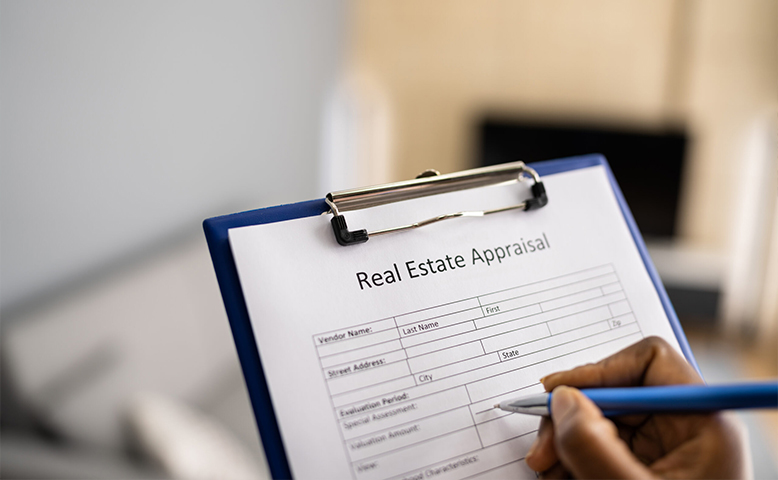
Divorce already comes with hard talks, and property value can turn into a new fight fast. One person thinks the house is worth far more, the other thinks it should be lower, and suddenly every number feels personal. The truth is, valuing property is a process, not a guess. It depends on the right date, solid sales data, the home’s condition, and clear rules for what is being valued. When couples skip steps or lean on quick shortcuts, they often end up paying more in legal fees, delaying settlement, or accepting a deal they regret later.
In this blog, we’ll cover:
Common valuation mistakes that create conflict
Simple ways to keep the number fair and usable
Treating Online Home Values As The Truth
What’s happening: A lot of couples start with a home value website and treat that number like a final answer. These tools can be useful for a rough range, but they don’t inspect your home, verify details, or explain how the number was built. They may also pull old or incomplete records. In divorce, that can cause a big problem: you need a value you can defend, not just a number you found quickly.
Why it matters: Property division often depends on fair market value—what a typical buyer would likely pay in an open market, with neither side forced. A trained appraiser usually supports that with comparable sales, photos, and written reasoning.
Better approach (quick checklist):
Use online estimates only as a starting point
Gather recent sales of similar homes nearby
Consider a professional appraisal when the stakes are high
Forgetting The Appraisal Date Can Change Results
What’s happening: Couples often argue about the “right” value without agreeing on the date the value applies to. That date is called the effective date of value, and it’s a big deal. Markets can rise, soften, or stay flat over time. Even if nothing changes in the house, the market around it can.
Why it matters: Divorce cases may require a value as of a certain date based on local rules, court instructions, or the couple’s agreement. If one spouse uses “today’s” number while the other uses a number from months earlier, you’re not having the same conversation. You’re comparing apples to oranges.
Keep it clear with a simple agreement:
Put the valuation date in writing early
Decide whether you need one date or more (for example, if the case stretches out)
Make sure any report clearly states the effective date and data used
This step alone can prevent weeks of back-and-forth.
Overlooking Repairs, Updates, And Hidden Property Issues
What’s happening: One spouse may focus on upgrades (“We remodeled the kitchen!”) while the other focuses on flaws (“The roof leaks!”). Both can be true. Value is affected by condition, quality of updates, and deferred maintenance. The problem is that couples often argue from memory instead of evidence.
Appraisers compare your home to similar homes that have sold and then make logical adjustments for differences. If a comparable has a newer roof and yours doesn’t, that difference matters. If your home has an extra bathroom, that also matters. Condition is part of the comparison, not a side note.
Helpful substeps to reduce conflict:
Document updates: dates, permits (if any), receipts, before/after photos
List known issues: leaks, cracks, old systems, past water damage
Avoid guessing repair costs: if needed, get a written estimate from a contractor
Quick tip: Don’t assume every dollar spent on upgrades adds the same amount to value. Some updates help market appeal more than others.
Mixing Up Market Value And Real Equity
What’s happening: Couples often say “the house is worth X,” when what they really mean is “we can split X.” Those are not the same. Market value is what the property could sell for. Equity is what’s left after debts and selling costs. In divorce talks, mixing these up causes confusion and resentment.
Where it goes wrong: If one spouse is buying out the other, you usually need to know:
Estimated market value
Mortgage balance and any second loans (HELOCs)
Liens (tax liens, judgment liens, mechanic’s liens) if they exist
Simple way to keep it straight:
Start with a supported market value (not a guess)
Subtract documented debts tied to the property
Discuss how you will handle selling costs (if selling is on the table)
Subheading: “Don’t forget partial ownership questions.”
If a home is jointly owned with a relative, held in a trust, or has title issues, the “value to split” may need more careful review with legal guidance.
Choosing The Wrong Appraiser Or An Unclear Scope
What’s happening: Sometimes each spouse hires their own appraiser, and the numbers come back far apart. Other times, an appraiser is hired without clarity on what the report must cover for divorce, the effective date, property rights being valued, and the intended use of the report. A report that’s fine for a refinance may not match what your divorce process needs.
Technical information in plain terms: A solid appraisal explains:
The data sources used (sales, listings, public records)
How comparable properties were selected
Why were adjustments made
The effective date and the purpose of the report
If the scope is unclear, the report may leave out key items, and then you pay twice—once for the first report and again to fix it.
What to ask before hiring:
Have you completed divorce-related appraisals before?
What documents do you need from us?
Will the report clearly state the effective date and intended use?
Steps Couples Can Take For Calmer Decisions
You don’t need to become a real estate expert to handle this well. You just need a shared plan and a few ground rules. Here’s a practical way to move forward without turning every number into a fight.
Step 1: Agree on the question you’re answering
Are you valuing the home for a buyout, for sale, or for a settlement worksheet? The goal changes what details matter most.
Step 2: Gather clean information first
Current mortgage statement(s) and loan balances
Property tax record and legal description, if available
List of updates and known issues with supporting notes
Step 3: Decide on a neutral path
Use one jointly selected appraiser when possible
Put the effective date in writing
Ask for a report that explains the reasoning clearly
Step 4: Use the value as a tool, not a weapon
A well-supported value helps you settle faster. Treat it like a shared reference point.
Wrap Up And Next Step For Your Case
Valuing property in divorce goes smoothly when you stick to facts: a clear valuation date, real market data, honest condition notes, and a report that explains its logic. The biggest mistakes happen when couples rely on shortcuts, mix up value and equity, or hire help without defining what the report must do. If you want to reduce conflict and move toward a fair agreement, a professional appraisal can give both sides the same starting point. Reach out to Randy M. Sonns Certified Residential Appraiser, to discuss your situation and book a divorce appraisal.